AI at work · · 3 min read
Unveiling the Power of AI Agents Beyond ChatGPT
In the rapidly evolving realm of artificial intelligence (AI), AI agents emerge as dynamic forces capable of reshaping our digital experiences. These sophisticated tools, fueled by advancements in Large Language Models (LLMs) such as GPT, and Anthropic's cutting-edge Claude 3 models, are at the forefront of technological innovation.
 Mohamed Habbat
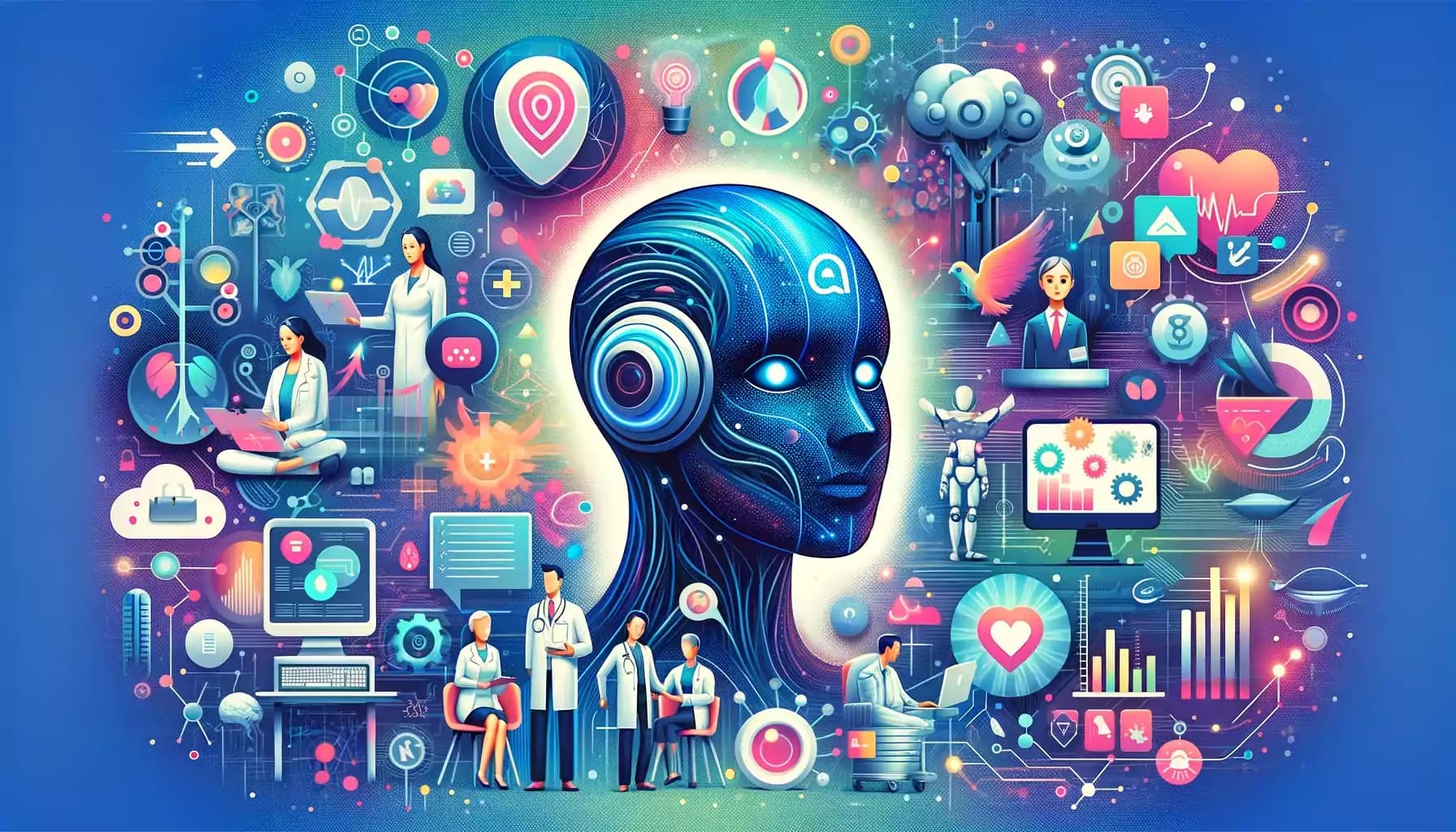
In the rapidly evolving realm of artificial intelligence (AI), AI agents emerge as dynamic forces capable of reshaping our digital experiences. These sophisticated tools, fueled by advancements in Large Language Models (LLMs) such as GPT-4 Turbo, and Anthropic's cutting-edge Claude 3 models, are at the forefront of technological innovation. They offer unparalleled opportunities for automation, analysis, and the enhancement of various digital interactions.
Understanding the unique capabilities, potential applications, and the critical distinctions between these models is vital for anyone aiming to harness the full power of AI agents in today's digital landscape.
First we need to understand what is LLM? that power AI Agents.
What is LLM?
LLM stands for Large Language Model, a type of artificial intelligence that has been trained on vast amounts of text data to understand, generate, and interpret human language. These models use deep learning techniques, particularly variations of neural networks called transformers, to process and produce text in a way that mimics human-like understanding of language nuances, context, and semantics.
For example, GPT-3.5 and GPT-4 are the models behind ChatGPT, while Gemini is the AI model developed by Google.
What Are AI Agents?
AI agents are software programs powered by LLMs capable of performing tasks autonomously or with minimal human intervention. These tasks range from answering customer queries to generating code, content creation, and even engaging in natural, human-like conversation. The intelligence of an AI agent largely depends on the underlying LLM it uses, which brings us to the diverse world of models available today.
Recent research Agents Is All You Need highlights the scalability of LLM performance through a simple sampling-and-voting method across multiple agents, underscoring the growing importance of multi-agent frameworks. This development points to an exciting future where the integration of multiple AI agents could significantly amplify their effectiveness and application range.
Use Cases for AI Agents
AI agents find application across various domains, including customer service, where they can provide 24/7 support; healthcare, assisting in patient monitoring and diagnostics; and finance, analyzing trends and offering investment advice. Their ability to process vast amounts of data in real-time enables businesses to enhance efficiency, improve decision-making, and offer personalized customer experiences.
Implementing AI Agents
Modern AI agent implementation leverages LLMs and advanced frameworks, focusing on four critical components:
Profiling: Defines the agent's role, leveraging LLMs for nuanced behavior and strategic tasks.
Memory: Uses advanced databases for robust information retention, aiding in task context memory.
Planning: Involves strategic development and decision-making, enhanced by the agent's comprehension abilities.
Action: Extends beyond simple executions, incorporating web access and specialized knowledge through various tools.
These components enable AI agents to perform complex functions across different domains with improved efficiency and adaptability.
This modular approach ensures agents can make informed decisions and take appropriate actions.
Build Your Multi-Agent Systems Using Open Source
AutoGPT caters to a wide-ranging audience, including software developers, project managers, startups, tech companies, and AI aficionados, offering innovative AI-driven solutions.
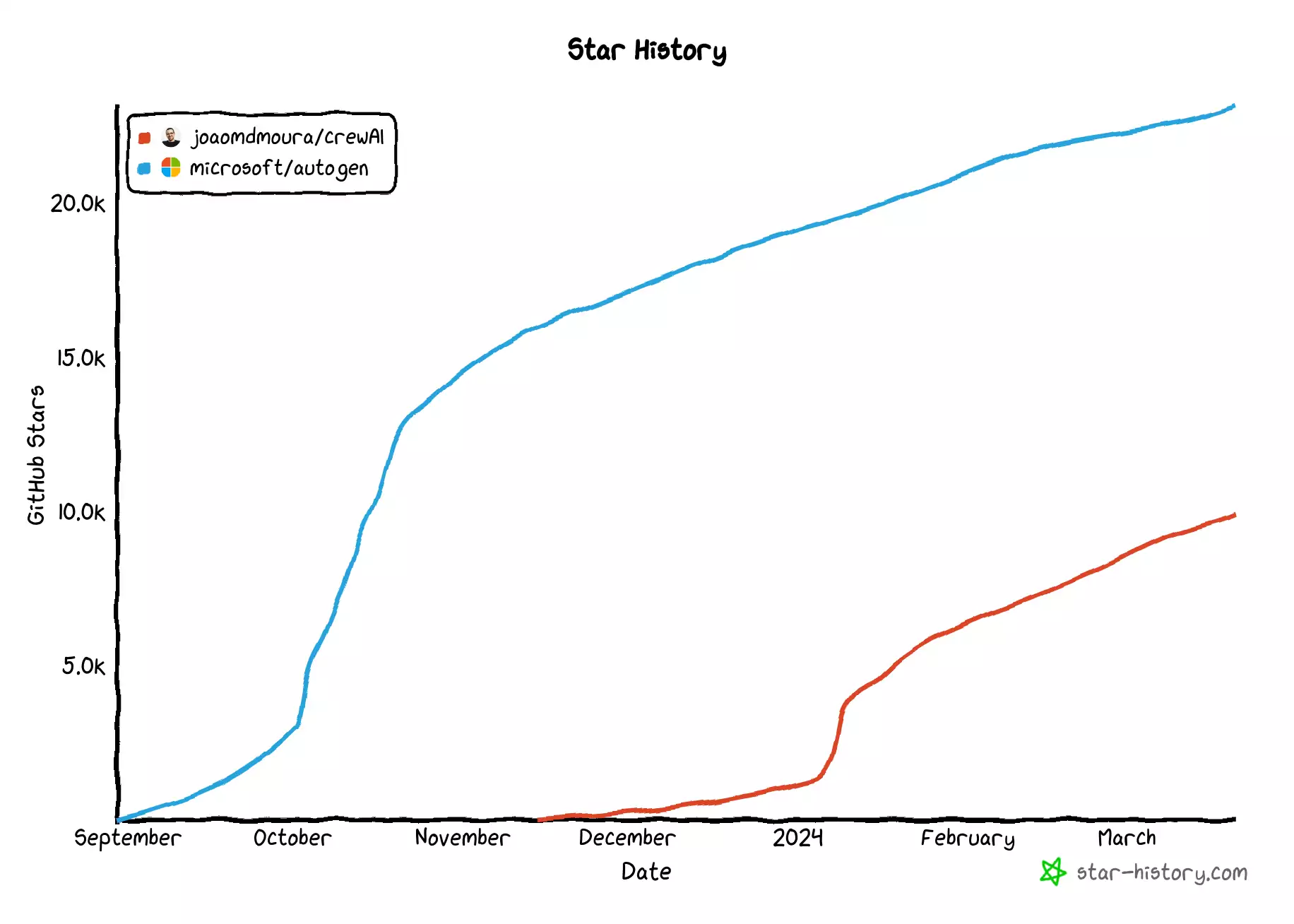
For developers keen on pushing the boundaries of multi-agent system development with added flexibility, the open-source Autogen framework stands out as a solid foundation for comprehensive, cutting-edge solutions. In parallel, the rising star among multi-agent frameworks, crewAI, unlocks new prospects for crafting sophisticated AI agent networks. CrewAI distinguishes itself from Autogen with its unique functionality that allows agents within the network to delegate tasks to one another, fostering an environment of increased collaboration and network efficiency.
For More Information
If you're interested in crafting the perfect prompt for optimal results, check out our blog post Your Ultimate Custom GPT Companion: Prompt Frameworks Architect. Alternatively, if you're keen on writing smart contracts using AI, explore our guide Custom GPT for Writing Smart Contracts Using the Scrypto Language on Radix Blockchain.
Conclusion
Digital realms are undergoing a seismic shift, thanks to the prowess of advanced Large Language Models (LLMs) such as GPT-4, Gemini, and Claude 3. These powerful models are redefining our digital experiences, ushering in rapid and unforeseen changes in how we interact online. These agents excel in automation, data analysis, and enhancing user experiences, showcasing the immense potential of AI in various sectors.
At the core of this revolution are AI agents, powered by the sophisticated capabilities of LLMs, ready to autonomously undertake a spectrum of tasks. From revolutionizing customer service to pioneering new forms of content creation, these agents represent a leap towards minimizing human intervention while maximizing efficiency and creativity across various domains. The promise of AI to streamline processes, foster growth, and craft compelling, personalized digital experiences has never been more tangible.