· auf Englisch · 3 Min. Lesezeit
Enhancing Blockchain Asset Management with NFT Proxy Staking Accounts in Ethereum
Blockchain technology has and is still constantly growing to fix among other inherent flaws the inefficiency and lack of flexibility in asset management.
 Mohamed Habbat
Overview of the Proxy Staking Accounts
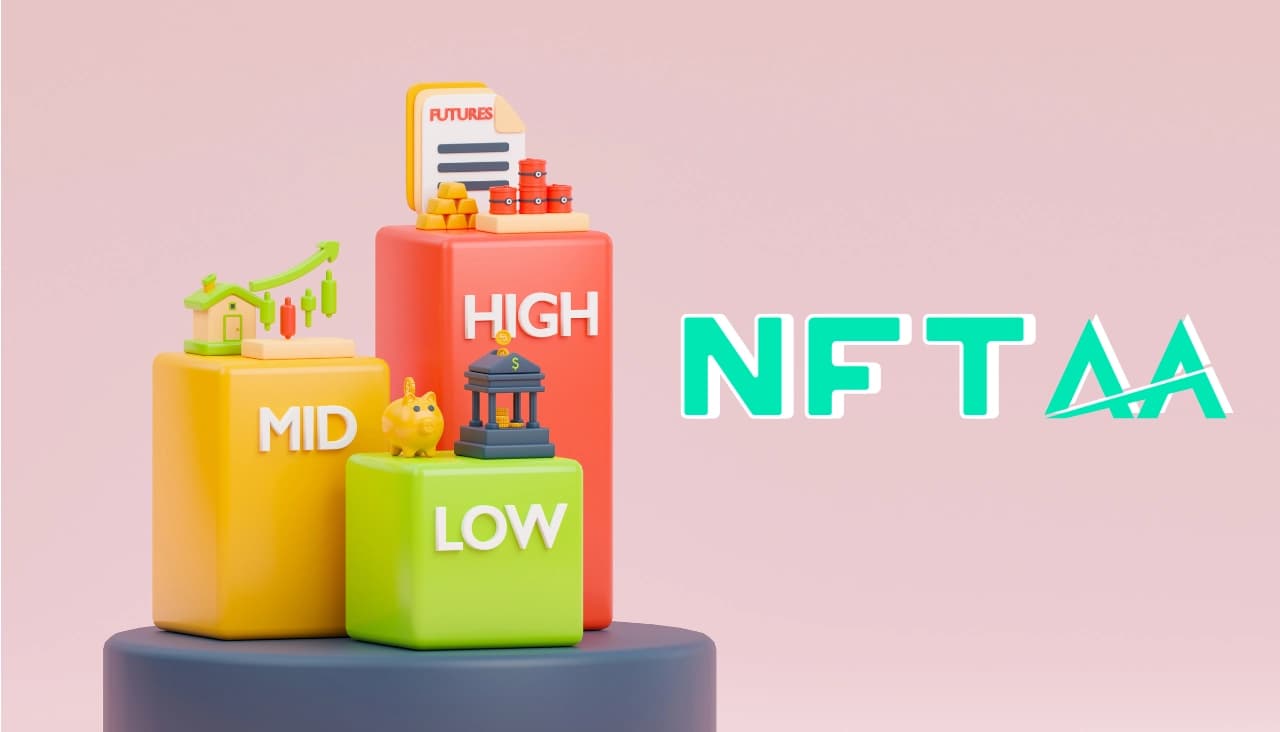
Blockchain technology has and is still constantly growing to fix among other inherent flaws the inefficiency and lack of flexibility in asset management. The Non-Fungible Token Asset Accounts (NFTAA) introduction uniquely designs an integration mode with proxy staking capabilities that further aims at the betterment and enhancement of security, transparency, and interoperability of the asset management within the blockchain networks.
Understanding NFT Asset Accounts (NFTAA)
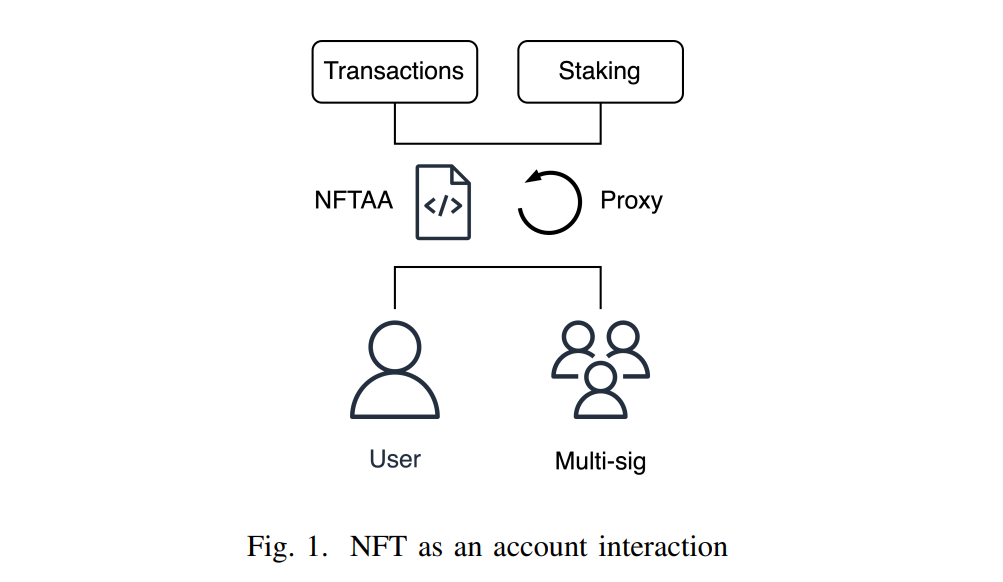 Data Source: NFT as an account interaction
An NFTAA, on the other hand, is an NFT on its own, with its standalone account that can be able to own and manage assets on a blockchain network. This is an interesting concept of capitalizing on the characteristic of NFT in order to effectively manage the ownership. For example, these accounts can be used to stake, allow liquid equities, and support composable practicality across applications.
Transition to Proof of Stake in Ethereum
That shift has brought increased energy efficiency and faster speeds in processing transactions through the energetic shift of Ethereum from Proof of Work (PoW) to Proof of Stake (PoS). PoS also means a better decentralization in that it ensures that the power of processing payments is distributed amongst a larger set of participants. For a deeper dive into Ethereum's transition and future potential, refer to our blog post on Ethereum 2.0 Shapella Network Upgrade: An Informative Overview.
The Role of ERC-6551 in Enhancing NFT Functionality
ERC-6551 introduces the paramount standard of token-bound accounts (TBA) which can be owned by NFTs and allows smart contracts and applications to receive calls to functions and transfer tokens directly from/to NFTs. This capability boosts the NFT ecosystem, as it makes the token able to perform a whole variety of functions beyond the status of collectibles and opens up new possibilities in areas like gaming and decentralized finance (DeFi). Discover more about how smart contracts can enhance blockchain functionality through our article on Unlocking Smart Contract Upgradeability for Enhanced Blockchain Functionality.
Practical applications and benefits
NFTAA systems can fundamentally change how assets are managed on blockchains. They allow for more dynamic and flexible transfer of ownership, such as the transfer of ownership of staked assets through NFTs. This can be in a position to address a common problem where the assets are illiquid during staking, providing the right way for direct reallocation or swapping of staked asset position without disintermediating underlying activities being staked.
Challenges and the Way Forward
The NFTAA approach has a lot of advantages that come along with a set of challenges: how to ensure safe transfer of the asset or how to incorporate such systems within the existing blockchain infrastructures. Future developments could center on enhancing the interoperability of NFTAA with other blockchain systems and broadening its application areas to more complex financial instruments, such as derivative markets and automated asset management systems. Gain further insights into the economic theories behind digital assets with our guide on Tokenomics: The Essential Guide to Understanding Digital Asset Economics.
Conclusion
NFTAA can be one of the greatest, important inventions that will change the way blockchain technologies take care of and secure digital assets. That would, therefore, mean NFTs, proxy staking accounts, would offer more flexibility and efficiency in managing assets solutions by Ethereum, opening their platform for more users and new use. For further reading on related themes and to understand the broader implications of such technologies, refer to the research paper "Towards Proxy Staking Accounts Based on NFTs in Ethereum".