KI im Alltag · · auf Englisch · 4 Min. Lesezeit
AI Agents for Business: Streamline Tasks and Boost Results
Imagine a world where your digital devices go beyond just following instructions and start to anticipate your needs. They schedule your appointments, remind you of important dates, and even draft emails on your behalf. This isn't science fiction – this is the power of AI agents. Let's delve into their world, uncovering what they are, who crafts these intelligent entities, how they operate, the technologies that fuel them, their future potential, and some real-world applications.
 Mohamed Habbat

Picture a place where your gadgets do more than just what you tell them. They figure out what you need before you even ask. They organize your meetings, remind you about special days, and can write emails for you. This isn't a made-up story; it's all about AI agents. Let's get to know them better, learn what AI agents are, how they work, what technology they use, what they might do in the future, and how to build them, and see some examples of how they're used today.
AI agents are poised to become as essential to our daily lives as smartphones are today. Elon Musk
Understanding the Power of AI Agents for Diverse Tasks
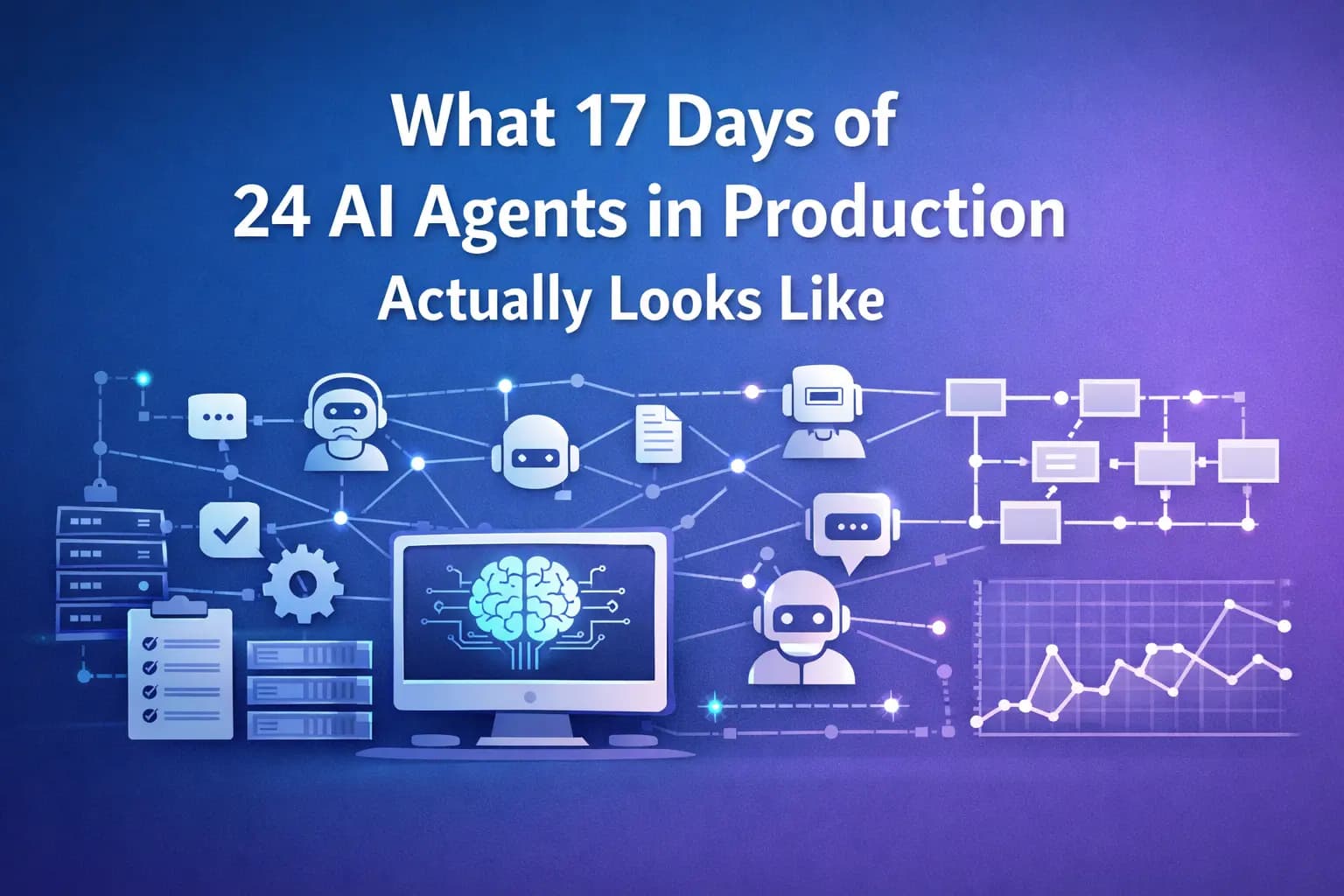
AI agents are intelligent software programs that can make autonomous decisions and act on your behalf. They excel in various tasks, from automating routine processes to providing personalized recommendations, each agent can have its own prompt, LLM, tools. To unlock their full potential, you can combine specialized AI agents into a collaborative team. Here's an example with crypto analysis:
Crypto Analyst Agent: Fetches real-time pricing data (via tools like CoinMarketCap API).
Research Analyst Agent: Gathers the latest crypto news (using tools like Browserless or Serper API)
Crypto Investment Advisor Agent: Predicts price trends using advanced algorithms (e.g., XGBoost, LSTM, Random Forest).
Working together, these agents can provide comprehensive crypto investment insights and reports.
Examples of AI Agents in Real-World Applications
AI agents are transforming industries, including healthcare, finance, and business processes. Leading companies like Microsoft, Google and Apple, along with innovative startups such as Multion.ai, Adept.ai, and HyperwriteAI, are at the forefront of this development. Here are some real-world applications showcasing the versatility of AI agents:
- GPT Newspaper: Automates news article creation.
- Job posting: Enhances recruitment processes.
- Landing Pages Generator: Streamlines website development.
- Instagram Posts: Automates social media content creation.
Strategies to Keep Your AI Agents Budget-Friendly
Implementing AI agents powered by Large Language Models (LLMs) like GPT-4 can significantly enhance your operations but might also lead to substantial costs. Here are some strategies to effectively manage and reduce these expenses:
Open-Source Models
Utilizing open-source models presents a budget-friendly alternative to commercial solutions. Though self-hosting these models demands technical know-how and might require upfront hardware investment, cloud services such as Azure or AWS can simplify deployment (note that service fees will apply).
Groq LPU Inference Engine
For those seeking cost-efficient development and testing phases, the Groq LPU Inference Engine offers a promising solution. Groq's technology is designed to accelerate AI processes while minimizing costs, making it an attractive option for businesses looking to leverage AI capabilities without breaking the bank.
Choosing the Right Open-Source LLM for Your Project
Selecting the perfect open-source Large Language Model (LLM) depends on your unique requirements and performance objectives. Here are some distinguished models renowned for their versatility and adaptability, often surpassing their commercial counterparts:
Heavyweights
For broad application needs, consider exploring:
- Bloom: Renowned for its wide-ranging capabilities. Learn more about Bloom.
- Mistral 7B: Offers exceptional performance for diverse tasks. Discover Mistral 7B.
- Llama 2: Known for its adaptability across various applications. Explore Llama 2.
Specialized Models
If you're looking for models tailored to specific tasks:
- FalconLLM: Optimized for efficient chatbot interactions. Check out FalconLLM.
- Code Llama: A go-to for coding and programming-related tasks. Learn about Code Llama.
Lightweight Options
Ideal for projects where resource efficiency is a priority:
- Qwen1.5-72B-Chat: Balances performance with resource efficiency. Discover Qwen1.5.
- Gemma: Offers an excellent mix of lightweight efficiency and capability. Explore Gemma.
Hands-On Testing
Experimentation is key to finding the right fit. Platforms like Hugging Face allow for hands-on testing of various models, giving you the opportunity to find the one that best suits your needs. Start experimenting on Hugging Face.
Frameworks for Building AI Agents
Embarking on AI agent development might seem overwhelming, but leveraging the right open-source frameworks can significantly ease the process. These tools offer specialized functionalities and save you time:
Langchain: A versatile and well-documented solution for creating applications powered by language models. Explore Langchain.
crewAI: Streamlines the management and orchestration of multiple AI agents for collaborative complex tasks. Discover crewAI.
LangGraph: Ideal for developing stateful, multi-actor applications on top of LangChain. Learn about LangGraph.
LM Studio: Simplifies running LLMs locally, making it a user-friendly tool for development and testing. Check out LM Studio.
AutoGen + AutoGen Studio: Microsoft’s offering for building and managing multi-agent systems with a UI for easier prototyping and interaction. Visit AutoGen + AutoGen Studio.
Combining Powers: Many of these frameworks complement each other. For example, integrating Langchain with crewAI can enhance flexibility and orchestration in your projects.
Overcoming AI Agent Challenges for Improved Interaction and Accessibility
While AI agents continue to revolutionize technology, they face significant hurdles that, once overcome, promise to unlock more advanced AI capabilities:
Multimodal Fluency: It's essential for AI agents to flawlessly interpret and manage diverse types of inputs such as text, images, and sounds to facilitate more natural and engaging interactions.
Persistent Memory: For AI to offer personalized and context-aware responses, agents must be capable of retaining information and learning from past interactions, embodying a level of continuity in their understanding.
Emotional Intelligence: Crafting AI systems with a deep, nuanced grasp of emotional cues and the ability to respond appropriately is key to significantly improving the quality of interactions between humans and AI.
Cost-Effectiveness: Striking a balance between the advanced capabilities of AI agents and their cost and scalability is crucial for ensuring their widespread adoption and integration into various sectors.
The Future of AI Agents
AI agents have the potential to revolutionize how we work and interact with technology. As their capabilities evolve, they will become more intelligent, intuitive, and integrated into our daily lives. Tech giants and startups, including Google, OpenAI, and IBM are pushing the boundaries of AI capabilities, driving innovation in the field.
Here's what the future holds:
Seamless Understanding: Expect AI agents to effortlessly process different input types (text, image, audio) for natural interactions mimicking human understanding.
Personalized Experiences: AI agents will adapt based on your preferences and history, becoming increasingly personalized assistants.
Emotionally Aware AI: The ability to understand and respond to human emotions will make interactions more meaningful and effective.
Affordable and Accessible: As technology progresses, AI agents will become more accessible, enabling widespread adoption and innovation. The Path Forward
BiCatalyst Shapes the Future of AI
At BiCatalyst, we're committed to making AI agents accessible and easy to create. Our no-code, multi-tenant platform will soon allow you to build and deploy your own AI agents without extensive technical expertise. Stay tuned for our MVP release, and don't hesitate to reach out for a demo!